
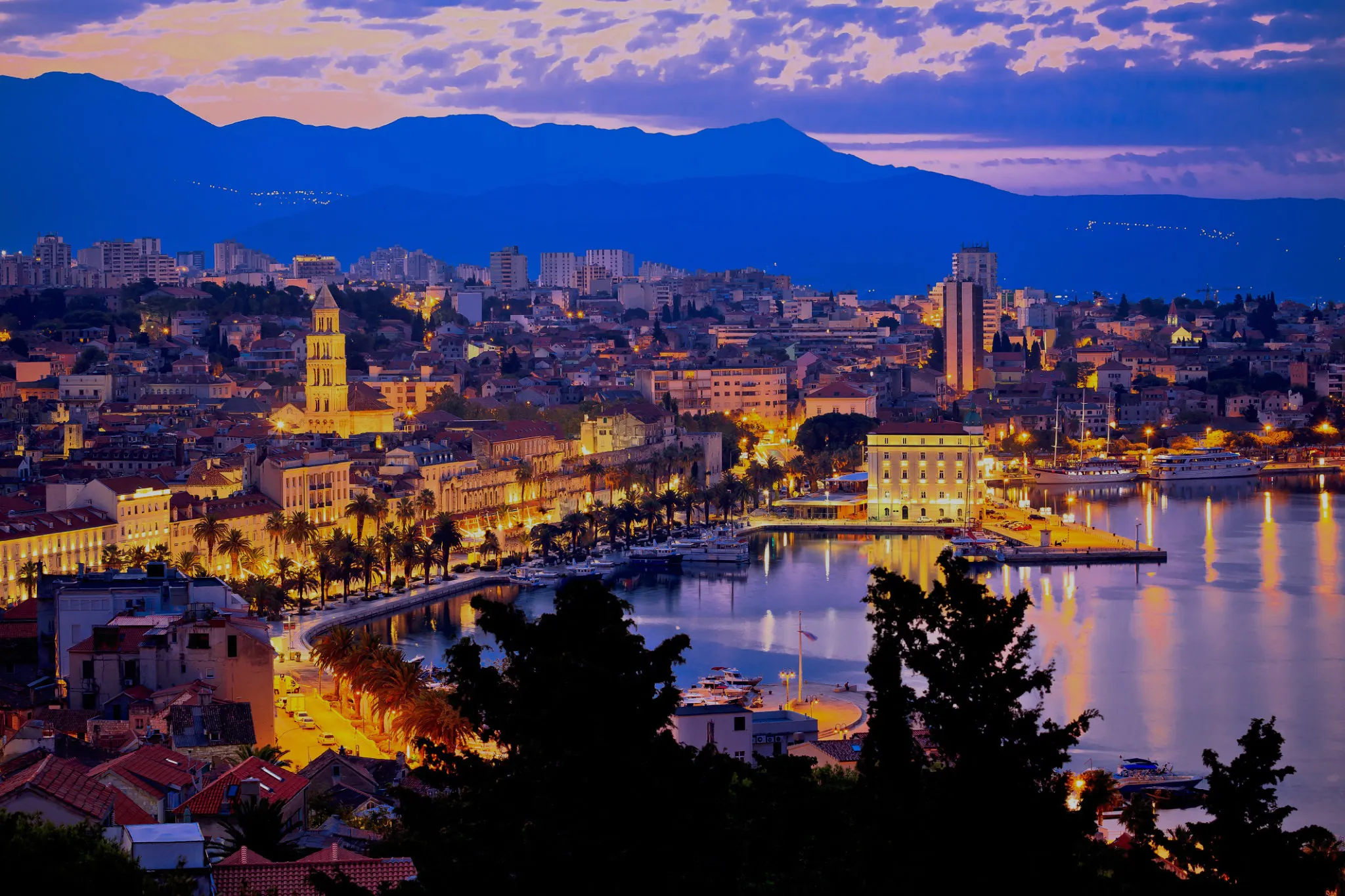
The best islands from Split aren’t all the same island wearing different names — each one below is genuinely best at something different, and this ranking judges them on that, not on likes. Here’s our honest, opinionated take on the nine best islands near Split: what each is actually best for, how long it takes to get there, and who should bother. Split island hopping rewards a bit of planning — some of these are a 30-minute hop, others eat most of a day on public transport, and that gap should shape your itinerary more than any top-ten list.
We run these routes daily, in every sea state the Adriatic throws at us. Every entry gets a time estimate by public catamaran/ferry and by private boat, the honest vibe, who it suits, and one detail we’ve picked up from actually working these waters.

How we ranked the best islands from Split
Inhaltsverzeichnis
- 1 How we ranked the best islands from Split
- 2 1. Hvar Town — the best island near Split, full stop, if you want glamour
- 3 2. Brač (Bol and Zlatni Rat) — the best island near Split for beach lovers and active days
- 4 3. Vis — the best island from Split for getting away from the crowds
- 5 4. Šolta — the best island near Split for a quiet, no-fuss family day
- 6 5. Korčula Town — the best island from Split for history and “little Dubrovnik” charm
- 7 6. The Pakleni Islands — the best islands near Split for beach clubs and escaping Hvar’s crowds
- 8 7. Biševo and the Blue Cave — worth ranking on its own merits, not just as a Vis add-on
- 9 8. Trogir and Čiovo — the best “island” near Split if you don’t want a boat at all
- 10 9. Blue Lagoon (Drvenik Veli area) — the best pick near Split for swimming in properly turquoise water
- 11 Best islands from Split: how to actually choose between them
- 12 Frequently asked questions about the best islands from Split
- 12.1 What is the best island to visit from Split?
- 12.2 How many islands can you visit from Split in one day?
- 12.3 Which island near Split is closest?
- 12.4 Is Hvar or Brač better to visit from Split?
- 12.5 How do you get to the Blue Cave from Split?
- 12.6 Is Vis worth visiting from Split?
- 12.7 What islands are best for families near Split?
- 12.8 Do I need a car ferry or a catamaran to visit these islands?
- 13 Sources & further reading
There’s no single “best” island near Split — there’s a best island for what you want. We scored these nine on four things: how distinct the destination actually is, how efficiently you can get there and back, how well it fits different traveller types, and whether it holds up against peak-season crowds. Hvar tops the list not for being relaxing — it isn’t — but because nothing else nearby combines glamour, infrastructure, and old-town beauty as completely. From there it’s beach specialists, wine islands, wild-swimming spots, and one sea cave worth the detour on its own.
| Island | Time from Split (public) | Time from Split (private boat) | Best for |
|---|---|---|---|
| Stadt Hvar | ~50–60 min (catamaran) | ~55 min | Nightlife, yachts, old-town glamour |
| Brač (Bol / Zlatni Rat) | ~55 min–1h15 (catamaran) | ~35 min | Windsurfing, the famous beach, active days |
| Visum | ~1h10–2h (catamaran, route-dependent) | ~65 min | Wild swimming, wine, getting away from crowds |
| Šolta | ~30 min (catamaran) / ~1h (car ferry) | ~30 min | Quiet family day trips, no crowds |
| Korčula Town | ~2h20–3h40 (catamaran, route-dependent) | ~80 min | History, Marco Polo lore, “little Dubrovnik” charm |
| Pakleni-Inseln | No direct public link — via Hvar Town, then 10–20 min water taxi | ~55 min to Hvar + short hop | Beach clubs, snorkelling, escaping Hvar’s crowds |
| Biševo (Blue Cave) | Tour-boat only (~90 min by speedboat tour) | ~65 min to Vis area, then small boat into the cave | The one bucket-list sea cave in the region |
| Trogir / Čiovo | ~30 min (bus, road route) | ~20–25 min by sea | UNESCO old town, easy half-day, no ferry needed |
| Blue Lagoon / Drvenik Veli | Tour-boat only (~80–90 min by slow boat) | ~35–45 min | Swimming in turquoise, sheltered water |
One note on that table: public times vary by operator and by whether the catamaran runs direct or stops at Milna, Hvar, or other ports en route — check the current timetable close to your date, since schedules thin sharply outside June–September. Private times above are point-to-point, weather-dependent estimates for our fleet running direct.
1. Hvar Town — the best island near Split, full stop, if you want glamour
Hvar tops our ranking of the best islands from Split for one reason: nothing else in reach combines a genuinely beautiful stone old town, a harbour that fills with serious yachts every July and August, and a nightlife scene that’s earned its “Croatian St Tropez” reputation. The main square, the 13th-century theatre, the Spanish Fortress above town — Hvar looks the part and mostly delivers in person too.
By public catamaran it’s about 50–60 minutes from Split, with up to 18–20 sailings a day at summer peak dropping to two or four off-season; the last boat back usually leaves Hvar around 20:00. We cover the full route at Split nach Hvar, and if you’re flying in, our Split Airport to Hvar transfer skips the drive into the city entirely.
Hvar suits couples wanting a proper night out and anyone who wants a base with restaurants and boat trips on tap — less so families in peak season, when crowds and prices both spike. If your evening plans don’t line up with the last sailing, a private transfer runs on your schedule instead of the timetable’s.
Skipper’s tip: Everyone fights for a table on the Hvar Town harbourfront — walk two minutes up any side street off the main square instead. Same kitchens supply half those places, and you’ll pay less without watching yachts reverse all evening.
2. Brač (Bol and Zlatni Rat) — the best island near Split for beach lovers and active days
If Hvar is the island you go to be seen, Brač is the island you go to actually do something. Zlatni Rat, the shape-shifting pebble spit outside Bol, is one of the most photographed beaches in the Mediterranean — and the same reliable “maestral” wind that makes it beautiful also makes it one of Europe’s best windsurfing spots. Beyond the beach: Vidova Gora (the Adriatic islands’ highest peak) for a hike, plus diving, cycling, and genuinely good harbourside seafood.
Public catamarans from Split to Bol run roughly 55 minutes to an hour and fifteen depending on operator, with up to six daily sailings in season — see Von Split nach Brač for the full breakdown. It’s also our shortest private crossing, around 35 minutes door to dock, useful if you’re carrying windsurf gear or want to land near your accommodation.
Brač suits active travellers and anyone after one great beach day rather than a town to wander. It’s less suited to nightlife seekers — Bol is lively but low-key next to Hvar.
3. Vis — the best island from Split for getting away from the crowds
Vis is the island every “hidden gem” list claims to have discovered, and for once it’s close to earned. Closed as a military zone until 1989, it missed the earliest tourism boom and kept fewer resorts, more local konobas, and beaches like Stiniva — a white-pebble cove between limestone cliffs, reachable by boat or a proper scramble on foot. Komiža, the old fishing town on the west side, has kept its unpolished charm, and the island’s wine and fishing traditions run deep enough that UNESCO made the surrounding waters a geopark in 2019.
Public transport is where Vis loses points: sailing times vary widely by route, from about 1h10 on Krilo’s fastest direct catamaran up to 2 hours or more on sailings that stop at Milna and Hvar first, and conventional Jadrolinija ferries can take 2–3 hours. Frequency drops hard off-season too — check the current timetable, since winter can mean one daily sailing. Our private run takes about 65 minutes point to point year-round — see Auf Vis aufteilen for the comparison.
Vis suits travellers who’ve done Hvar and Brač already and want quieter, plus anyone serious about wine or wild swimming. It’s a poor pick for a rushed public-ferry day trip — the crossing alone can eat half your day, which is why most visitors either stay overnight or book a private transfer instead.
Skipper’s tip: Set on Stiniva Beach? Go early or go by sea. The clifftop path is steep, hot, and often full by 10am; boats from Komiža drop you straight on the sand and show you the cove from the better angle first.
4. Šolta — the best island near Split for a quiet, no-fuss family day
Šolta doesn’t try to compete with Hvar or Brač, and that’s the point. It’s the closest island to Split, the least touristy of the main options, and the one most likely to still feel local in August. Expect quiet coves, olive groves (some trees over a thousand years old), and small harbour villages like Maslinica and Stomorska where the view matters more than the wine list.
It’s also the fastest crossing on this list: public catamarans to Rogač run around 30 minutes, the car ferry closer to an hour — full details at Von Split nach Šolta. Our private transfer runs the same 30-minute window, mostly buying flexibility on timing and a landing point nearer your accommodation.
Šolta suits families with young kids and anyone wanting a half-day without the crowds — a weak choice if you’re after nightlife or a big beach scene, since that’s not really the point here. For coves worth seeking out, our Šolta island guide goes deeper.
5. Korčula Town — the best island from Split for history and “little Dubrovnik” charm
Korčula’s old town earns the “little Dubrovnik” nickname honestly: a fishbone street layout built to break the wind, honey-coloured stone, and the house that local tradition (shaky evidence and all) claims as Marco Polo’s birthplace. It’s a smaller, cheaper alternative to Dubrovnik itself, with beaches, vineyards, and cycling routes if a few hours on the walls is enough history for one day.
It’s also the longest public crossing here. Fast catamarans run 2h20 on the quickest direct Krilo sailings, up to around 3 hours on others, and Jadrolinija’s conventional service via Vela Luka can run 3h40 — full comparison at Split nach Korčula. This is where a private transfer changes the calculus most: our boats do it in about 80 minutes, turning what’s realistically an overnight-only public-transport trip into a genuine day option.
Korčula suits families and history fans, and pairs naturally with our Hvar nach Dubrovnik route if you’re hopping south rather than looping back to Split.
Need a crossing timed around a specific ferry gap or a group booking? Message the crew with your dates and group size and we’ll quote it properly rather than making you guess from a range.
6. The Pakleni Islands — the best islands near Split for beach clubs and escaping Hvar’s crowds
The Pakleni Islands sit just offshore from Hvar Town — less a single destination than a small archipelago: Sveti Klement (Palmižana Bay, beach bars, restaurants), Marinkovac (Stipanska Bay and the famous Carpe Diem beach club), and Jerolim (mostly naturist). None has its own scheduled ferry from Split — you reach Hvar Town first, then hop across by water taxi, a 10–20 minute run leaving every 20–30 minutes in season.
That makes the Pakleni Islands less a rival to Hvar than its natural extension — the beach day you have after the town day. Water taxis generally commit you to one island for the day, since there’s no hopping between them by taxi, so pick based on your crowd.
They suit anyone doing Hvar who wants a swim away from the harbour crush. For which island in the group suits which traveller, see our Pakleni Islands guide.
7. Biševo and the Blue Cave — worth ranking on its own merits, not just as a Vis add-on
The Blue Cave (Modra Špilja) on Biševo, just southwest of Vis, is the one genuinely bucket-list attraction on this whole list — a sea cave where midday sun refracts through an underwater opening and turns the water an intense glowing blue. It earns its own spot here because plenty of visitors go specifically for the cave and treat the rest of Vis as secondary.
There’s no scheduled ferry directly there; virtually everyone visits by organised speedboat tour from Split, Trogir, or Hvar, transferring into a small local boat at the cave mouth, since the entrance is barely 1.5 metres high. Figure roughly 90 minutes each way by standard tour speedboat, with entry fees (typically €12–24, paid on-site) usually not included. Go between 11am and 1pm for the best light — and note the cave closes to boats entirely in rough seas, which is genuinely weather-dependent, not marketing caution.
We run this as a proper excursion rather than a tour boat crammed with forty other people — see our Blue Cave excursion for timing built around the light, not a fixed slot. It suits anyone who wants the cave without the packed group-tour circus.
Skipper’s tip: Big group tours reach the cave in a scrum around midday, when the light is best but the queue of boats waiting to squeeze through is longest. A private run timed slightly either side of peak — say 10:15 or 1:15 — still gets good light with a fraction of the wait.
8. Trogir and Čiovo — the best “island” near Split if you don’t want a boat at all
Trogir is technically its own small island, bridge-connected to the mainland and to neighbouring Čiovo, which makes it the odd one out here: reachable entirely by road. It’s a UNESCO World Heritage old town — a dense maze of Romanesque and Venetian stone streets around the Cathedral of St Lawrence, small enough to cover properly in half a day. Čiovo, just across the bridge, adds beach clubs and a quieter feel once you’re done with the old town.
By bus it’s about 30 minutes from Split, with up to 35 daily departures — no ferry timetable required. By sea, it’s an easy 20–25 minute private run if you’d rather skip the road traffic, which backs up badly in peak season.
Trogir suits anyone short on time who still wants a genuine old-town fix, and families wanting an easy add-on to a Split-based stay rather than a full island trip.
9. Blue Lagoon (Drvenik Veli area) — the best pick near Split for swimming in properly turquoise water
The Blue Lagoon sits in the sheltered channel between Drvenik Veli and the islets of Krknjaš Mali and Krknjaš Veli, and it rounds out our ranking because the water here is genuinely a different colour to almost anywhere else this close to Split — a bright, shallow turquoise that photographs even better than it looks in person. It’s a swimming and snorkelling destination rather than a town, usually built into half-day or full-day tour-boat itineraries out of Split or Trogir.
There’s no scheduled ferry — access is by tour boat or private charter only. Standard tour boats take around 80–90 minutes each way from Split; a private speedboat cuts that to roughly 35–45 minutes, and it’s quicker again from Trogir, where the crossing is closer to 30–45 minutes given the shorter distance.
This suits anyone prioritising swimming over sightseeing, and pairs well with Trogir given how close the two are. Weak pick if you want an old town or somewhere to eat — bring lunch, this is a water day, not a destination town.
Best islands from Split: how to actually choose between them
For a shortlist rather than all nine again: first-timers with three or four days should do Hvar and Brač, since between them you get the glamour and the beach, and both are efficient however you travel. Anyone staying a week or more should add Vis or Korčula for a real change of pace, accepting both take genuine time by public catamaran and that a private transfer is the difference between a rushed day and a relaxed one. Families and quieter travellers should lean toward Šolta and Trogir over Hvar and the Pakleni Islands. If the Blue Cave or Blue Lagoon are must-dos, book them as their own dedicated excursion rather than tacking them onto an already long day — both reward unhurried timing.
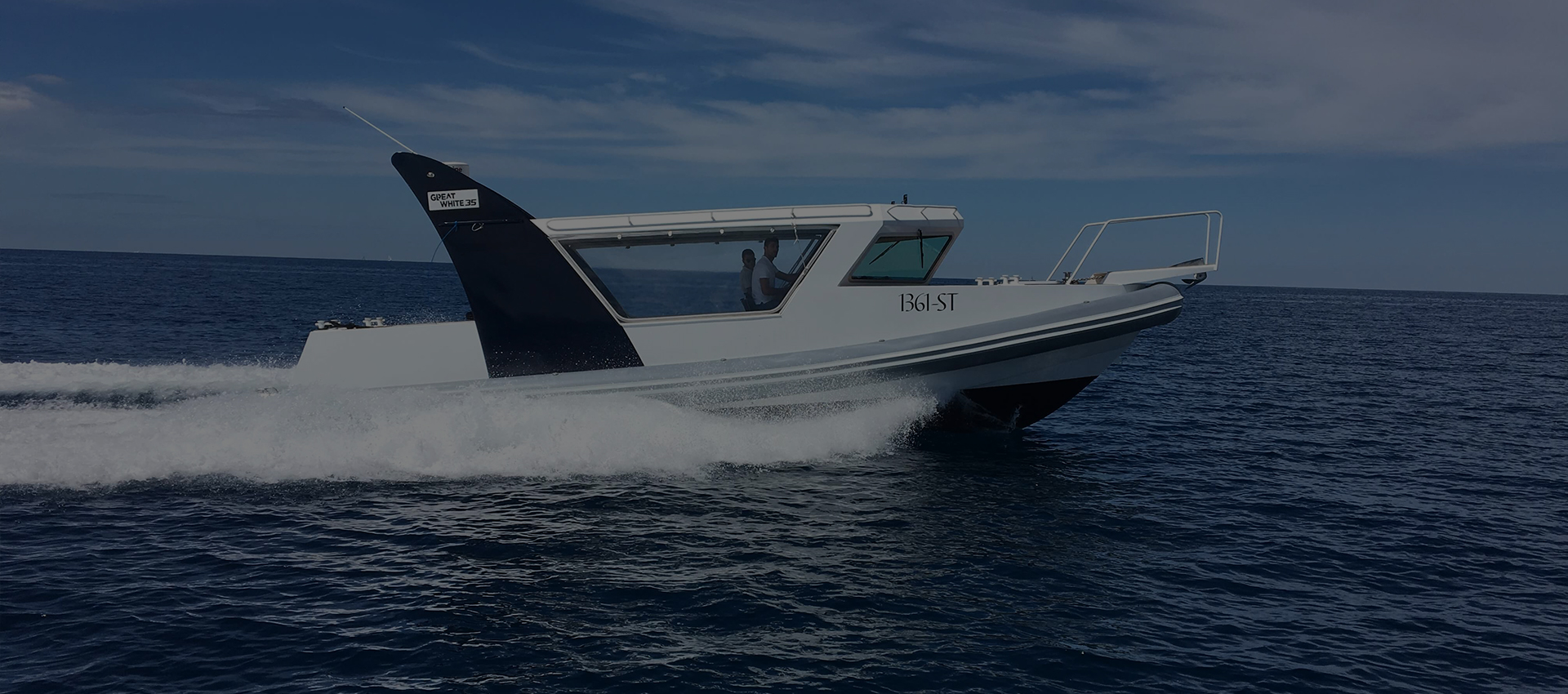
Weather is the variable most itineraries ignore. Fast public catamarans are the first services cancelled in strong bura (northeasterly) or jugo (southeasterly) wind, which happens often enough in shoulder season to wreck a tightly planned trip. Bigger car ferries handle rough conditions better, and our closed-cabin, radar-equipped boats are often still running when the catamarans have stopped for the day — which matters if you’ve got a flight to catch and no slack left in the schedule.
Not sure which islands fit your dates, your group size, or your appetite for early mornings versus late nights? Get in touch with the crew and tell us what you’re after — we’ll tell you honestly whether public transport gets you there comfortably or a private run actually saves your trip.
Frequently asked questions about the best islands from Split
What is the best island to visit from Split?
There’s no single best island from Split — it depends what you want. Hvar tops our ranking for old-town beauty, nightlife, and infrastructure, but Brač suits beach and active days better, Vis suits travellers chasing quiet, and Šolta suits families wanting a simple, uncrowded day.
How many islands can you visit from Split in one day?
Realistically one, by public catamaran, if you want more than a couple of rushed hours there — crossing times and limited sailings eat the day fast. Multi-island speedboat tours pack in several islands but spend most of the day on the water; a private charter gives you more control over how the time splits.
Which island near Split is closest?
Šolta, with a public catamaran crossing to Rogač of around 30 minutes and a similar private transfer time — the shortest hop on this list.
Is Hvar or Brač better to visit from Split?
Hvar wins for nightlife and old-town atmosphere; Brač wins for beaches and windsurfing, especially around Zlatni Rat in Bol. Many visitors do both, since neither crossing from Split takes more than about an hour.
How do you get to the Blue Cave from Split?
Almost everyone visits via an organised speedboat tour from Split or Trogir, transferring into a small local boat to enter the cave itself, since the entrance is only around 1.5 metres high. There’s no scheduled ferry directly to Biševo; figure roughly 90 minutes each way by standard tour boat, or a shorter run with a private charter.
Is Vis worth visiting from Split?
Yes, particularly if you’ve already seen Hvar and Brač and want somewhere quieter. The trade-off is travel time: public catamarans range from about 1h10 on the fastest direct sailing to 2 hours or more on routes that stop en route, so it suits an overnight stay or a private transfer better than a rushed day trip.
What islands are best for families near Split?
Šolta and Trogir/Čiovo are the calmest options — short crossings, few crowds, no late nights required. Korčula also works well for families wanting a bit more history and a longer day out.
Do I need a car ferry or a catamaran to visit these islands?
Catamarans (fast, foot-passenger only) are quickest and most frequent for day trips to Hvar, Brač, Šolta, Vis, and Korčula. Car ferries are slower but necessary with a vehicle, and tend to run more reliably in rough weather. Private water taxis avoid both constraints, running on your schedule rather than a fixed timetable.
 German
  English
  Croatian
  Spanish
  French
  Russian
  Italian
  Portuguese
  Arabic
  Norwegian
  Finnish
  Swedish
  Chinese
  Polish
  Dutch
Dutch