

Getting to Korčula ze Splitu is the longest island trip people ask us about. Korčula is an island in the south of Dalmatia, close to Dubrovnik. Split is the main city and port on the Dalmatian coast. A fast catamaran takes about 2h20–3h one way. A car ferry takes longer, because you also need a bus or a drive. A private boat takes about 80 minutes, door to dock. None of these options is wrong. They suit different trips. But Korčula is the one island where the crossing time decides if you get a real visit or a rushed one. Here is what runs in 2026.
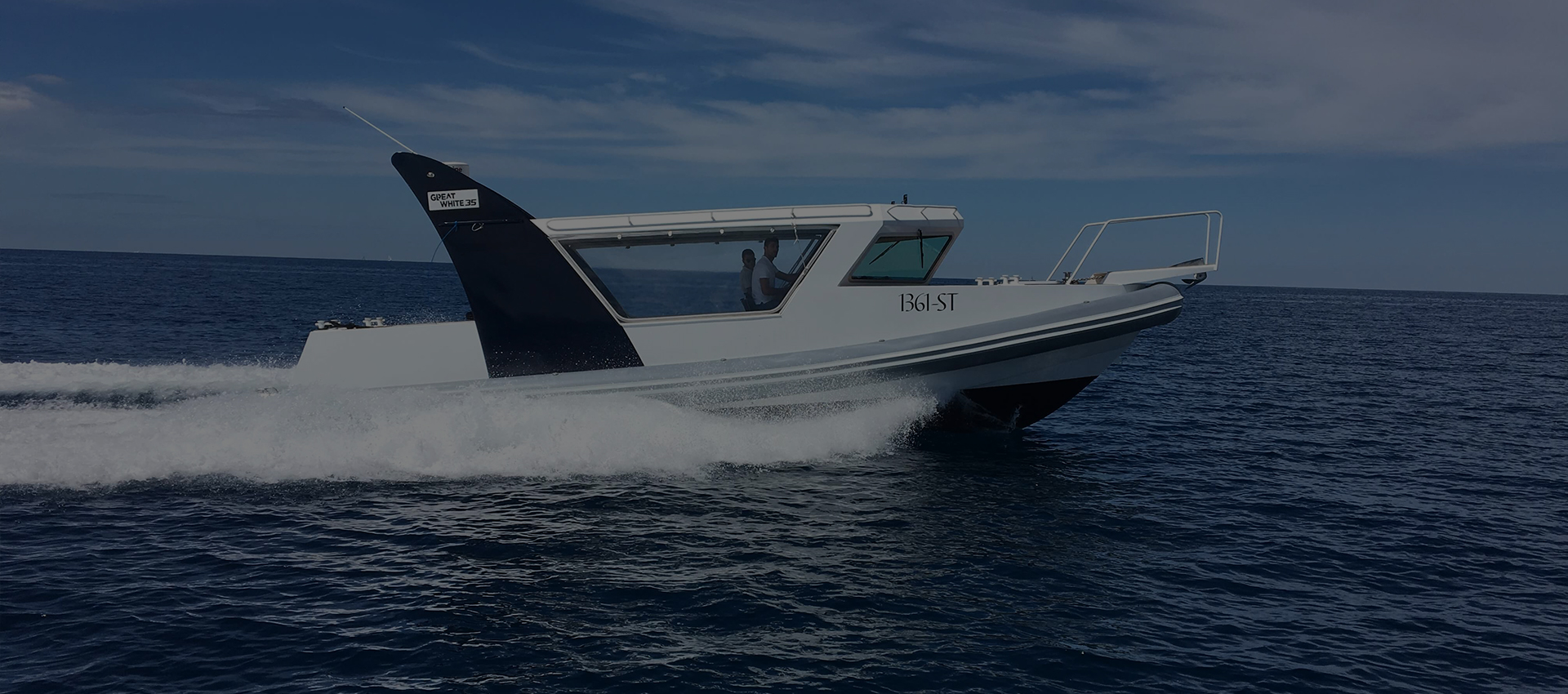
Czas podróży ze Splitu do Korčuli
Why the Korčula trip is different
Spis treści
- 1 Why the Korčula trip is different
- 2 Is a private transfer worth it? The honest numbers
- 3 Opcja 1: katamaran Krilo/Kapetan Luka do miasta Korčula
- 4 Option 2: Jadrolinija/TP Line catamarans — cheap, but check where they land
- 5 Opcja 3: Prom samochodowy przez Vela Lukę lub most Pelješac
- 6 Opcja 4: Prywatna taksówka, bezpośrednio z Splitu do Korčuli
- 7 Split – Korčula: porównanie opcji
- 8 Czego można się spodziewać w mieście Korčula
- 9 Wycieczka jednodniowa czy z noclegiem?
- 10 FAQ: Pytania dotyczące podróży ze Splitu do Korčuli
- 10.1 Ile czasu zajmuje podróż ze Splitu do Korčuli?
- 10.2 Czy jest bezpośredni prom ze Splitu do miasta Korčula?
- 10.3 Czy można wybrać się na jednodniową wycieczkę ze Splitu na Korčulę?
- 10.4 What is the cheapest way to get from Split to Korčula?
- 10.5 Czy prom samochodowy płynie bezpośrednio do miasta Korčula?
- 10.6 Ile kosztuje prywatny rejs statkiem ze Splitu do Korčuli?
- 10.7 Czy Marco Polo naprawdę pochodzi z Korčuli?
- 10.8 Powiązane przewodniki
- 11 Źródła i dalsze materiały
Korčula lies far past Hvar and Vis, the two well-known islands between Split and Korčula. It is much closer to Dubrovnik than to Split. A trip to Hvar takes under one hour and leaves most of your day free. Ze Splitu do Korčuli takes more than twice as long by sea. This is why most people either sleep on Korčula or skip it. That is a pity. Korčula Town is the old walled town at the east end of the island. It is one of the best old towns on this coast. There are four realistic ways to cross: fast catamaran, catamaran plus bus via Vela Luka, car ferry, or private taxi boat. Where each one lands matters as much as how long it takes.
Wskazówka od Skippera: Ask ten people how long the ferry to Korčula takes, and you will get ten answers. It depends which port they mean. A timetable that says “2h20 to Korčula” may mean Korčula Town. Or it may mean Vela Luka, the port at the far west end of the island. Always check the named port before you book.
Is a private transfer worth it? The honest numbers
Let us compare the worst realistic version of the “cheap” public route with our boat at its best. Example: 14 people fly into Split Airport (about 25 km west of Split city) and go to Korčula Town in high season.
| Droga publiczna (najgorszy przypadek) | Dalmacja Express | |
|---|---|---|
| Lotnisko → Port promowy w Splicie | 4 taxis × about €55 = about €220 (more at night) | Included — we collect you at the airport |
| Łódź | Catamaran €25 per person × 14 = €350 (peak season) | One private boat, about €920–1,700 for the whole boat, depending on boat size |
| Port → twoje zakwaterowanie | Extra taxi, plus carrying luggage | Door to door |
| Czekanie | 45–90 min early, fixed timetable, often in the sun | None — we leave when you land |
| Pieniądze | about €570 (≈ €41 per person) | about €920–1,700 (≈ €66–121 per person) |
| Czas | 5–9 hours — przeprawa trwająca 2,5–3 godziny, plus dojazd do portu i oczekiwanie | 80 minutes, bezpośredni |
A private boat costs more per person. But you arrive godziny wcześniej, in private, door to door. And it is the only way across at odd hours.
Co jeszcze otrzymasz z Dalmatia Express
- Private — only your group. No strangers and no crowded ferry deck.
- Spotkanie przy bramce. Our driver takes your luggage and walks you to the boat. Door to door.
- Kabina radarowa, licencjonowana załoga. Safe in rough sea. We sail when the catamarans are cancelled.
- 24/7, na żądanie. Book by call, SMS or WhatsApp. We are waiting when you land.
- Local tips on board. The crew knows the best beaches and konobas (traditional Dalmatian restaurants). Transfer guests also get lower prices on our Blue Cave and island trips.
- Zaufane nazwy. Chosen by Mate Rimac and a James Bond film production.
Część, o której nikt ci nie mówi: in peak season, the last catamaran to Korčula Town leaves Split in the wczesnym wieczorem. If you land after that — because of a delayed or late-night flight — there is no public boat until the morning. That means a hotel night in Split (€100–180) plus new tickets, or hours of waiting at the port. Our closed-cabin boats run 24/7. They also sail in a bura (the strong, cold north-east wind) when the catamarans cancel.
Wskazówka od Skippera: For 4 or more people with luggage, the private boat wins on time and comfort. The same is true for any flight that lands after about 19:00. On price, the public route is usually cheaper per person. The gap gets smaller for big groups once you add taxis, tickets and a possible hotel night.
Zobacz nasze ceny Split → Korčula, Lub podaj nam godzinę swojego lotu — odpowiadamy 24/7.
Opcja 1: katamaran Krilo/Kapetan Luka do miasta Korčula
The most useful public option is the Krilo fast catamaran. Krilo (also called Kapetan Luka) is a private ferry company. Its boat lands inside Korčula Old Town, right under the walls. Krilo runs this on its direct Split–Hvar–Korčula line, and on its longer seasonal Split–Hvar–Korčula–Mljet–Dubrovnik line. The crossing takes about 2h20–3h, depending on the sailing. Fares start at around €20–30 one way. This service runs from spring to autumn, not all year. Sailings are limited — usually one to three a day. So book ahead. On some summer timetables, the last boat back to Split leaves in the mid or late afternoon. That is earlier than the last boat from Hvar. Plan your day around the return sailing, not the other way round. Check the current timetable for exact times and season dates.
Wskazówka od Skippera: Book your Korčula–Split return at the same time as your outbound ticket. On days with only one round trip, if that boat is full or cancelled for weather, you have very few backup options from Korčula.
Option 2: Jadrolinija/TP Line catamarans — cheap, but check where they land
Jadrolinija is the state ferry company. TP Line runs the state-supported fast catamarans. Their main catamaran to Korčula island (Split–Hvar–Vela Luka–Ubli on Lastovo island) does not reach Korčula Town. It lands at Vela Luka, about 40 km away by road. The crossing takes about 2h10–2h45. Fares are around €9–12 one way. That is cheap, but it is only half the journey. From Vela Luka, a bus (Arriva) takes about one hour across the island. Buses run several times a day and are roughly timed to the ferries. All in, plan on 3.5–4.5 hours door to door. This route suits a tight budget, or anyone who is actually going to Vela Luka. Check the current bus times, because they change by season.
There is one more cheap option. TP Line’s line 9608 (Split–Hvar–Prigradica–Korčula Town) does reach Korčula Town, for about €13. Prigradica is a small harbour on the north coast of the island. The timetable suits island residents, not visitors. In 2026 it leaves Split at about 17:00 and reaches Korčula Town about 2.5 hours later. It sails back early in the morning. So it works for a one-way trip, but not for a day trip from Split. Check the current timetable before you plan around it.
Opcja 3: Prom samochodowy przez Vela Lukę lub most Pelješac
There are two different car-ferry routes, and they are not the same. The direct Jadrolinija car ferry Split–Vela Luka takes about 2h45–3h. It runs a few times a day in high season. You still need to drive across the island afterwards. This is the slowest way to get a car to Korčula from Split. Most drivers now use the Pelješac Bridge instead. The bridge links the Pelješac peninsula to the mainland (it opened in 2022). You drive south from Split for about 2–2.5 hours to Orebić, a small town on the Pelješac peninsula, just across the water from Korčula. From Orebić, a short Jadrolinija car ferry takes you to Dominče, a small ferry port about 3 km from Korčula Town. That crossing takes only about 20 minutes and runs almost every hour. So the drive is the slow part, not the ferry. In total this takes about 3–4 hours door to door, and longer in peak-season traffic. It is good for road trips that continue to Dubrovnik. It is not good if you just want to reach Korčula Town fast from Split.
Opcja 4: Prywatna taksówka, bezpośrednio z Splitu do Korčuli
This is where the numbers change. A private water taxi takes about 80 minutes, door to dock. It costs 800–1700 euro za całą łódź — not per person. The price depends on boat size and season. There is no stop at Hvar, no bus across the island, and no fixed timetable. We collect you from the Riva (Split’s seafront promenade, next to the ferry port) or from Split Airport. We land you wherever suits you, including right at the old town harbour.
By ferry, the crossing takes 2h20 to more than 4 hours each way. So Korčula only really works as an overnight trip from Split. At 80 minutes each way, a day trip becomes real. Leave mid-morning. Spend five or six hours walking the walls, seeing the Marco Polo house and having lunch on the waterfront. Then be back in Split for dinner. That is the whole case for a Taksówka wodna ze Splitu do Korčuli transfer instead of the public options above. It also matters on bad-weather days. The catamarans to Korčula sail one of the most open routes we serve. They are the first to be cancelled in a strong jugo (the warm south wind that brings big waves) or bura. Our closed-cabin boats with radar can often still run.
Split – Korčula: porównanie opcji
Here is how the realistic ways to travel Ze Splitu do Korčuli compare. Always check the current timetable for exact sailings before you commit.
| Opcja | Czas | Cena | Ląduje w | Najlepszy dla |
|---|---|---|---|---|
| Krilo/Kapetan Luka catamaran | About 2h20–3h | About €20–30 one way, per person | Port miejski Korčula | Foot passengers who book ahead |
| TP Line catamaran to Vela Luka + bus | About 3.5–4.5h in total | About €9–12 boat + bus fare | Vela Luka, then about 1h by bus | Budget travellers, or people going to Vela Luka |
| TP Line catamaran 9608 (via Prigradica) | About 2.5h | About €13 one way | Korčula Town, late afternoon only | One-way trips on a small budget |
| Prom samochodowy (bezpośrednio do Vela Luki) | About 2h45–3h, plus the drive across | Car about €56–74 + adult about €8–11 | Vela Luka, then drive across the island | Drivers who do not mind the long sea leg |
| Car ferry (Pelješac Bridge / Orebić) | About 3–4h in total (drive + short ferry) | Car from about €16–20 for the short hop, plus fuel | Dominče, about 3 km from town | Road trips that continue to Dubrovnik |
| Prywatna taksówka wodna (Dalmatia Express) | About 80 minutes, direct | 800–1700 euro za całą łódź (fair for groups of 4–10) | Korčula Town, or any dock you choose | 24/7 on your schedule; door to door; sails when catamarans cancel; Split Airport pickup available |
For a family or a group, one private boat is often the simplest way to reach Korčula Town from Split or the airport. You choose the time, and we do the rest. Check prices for the Split to Korčula taxi boat.
Want a shorter crossing instead? See our Taksówka wodna ze Splitu do Hvaru page. Hvar is under one hour away, so it is a very different kind of trip.
Czego można się spodziewać w mieście Korčula

Korčula Town is often called the “little Dubrovnik”, and the name fits. It is a compact medieval old town on a small peninsula, with stone walls and towers from the 13th–16th centuries. The narrow streets form a fishbone pattern, which lets the summer breeze in and keeps the strong wind out. The town feels Venetian, and you can walk all of it in an afternoon. It is smaller and quieter than Dubrovnik.
Then there is Marco Polo, the famous 13th-century traveller. Korčula claims he was born here. Most historians say Venice instead. But the local story has real roots (see the FAQ below). There is a Marco Polo house in the old town. It is worth a look, whichever version you believe.
Outside the walls, the island has good beaches at Lumbarda, a village about 6 km from Korčula Town. Lumbarda is also known for Grk wine; the Bire family winery is the best-known cellar. The island also makes Pošip, another good white wine. In the old town, Konoba Adio Mare has been the classic restaurant since the 1970s. For sunset, go to Massimo — a cocktail bar at the top of a medieval tower, which you reach by ladder. In summer you can also see the Moreška, a traditional sword dance. These are all reasons why Korčula deserves more than a rushed hour — and why how you get there matters.
Planujesz dłuższą trasę niż jedną wyspę? Taksówka wodna z Hvaru do Dubrownika page covers that longer private crossing. Some clients add a Korčula stop on the way.
Wycieczka jednodniowa czy z noclegiem?
Staying in Split for a week and want Korčula as one of your days? A private boat is the only way to do it without losing most of the day to travel. On a flexible budget trip, the public catamaran or the Vela Luka-plus-bus route both work. Just leave a time buffer around the return sailing. If you can stay longer, Korčula rewards two or three nights. Once you are not racing a return boat, the ferry times matter much less.
Tell us your dates and group size. We will tell you honestly if a private crossing is worth it, or if the public ferry will do the job. Skontaktuj się z nami and we will work it out together.
Zobacz miasto Korčula przed wyjazdem
FAQ: Pytania dotyczące podróży ze Splitu do Korčuli
Ile czasu zajmuje podróż ze Splitu do Korčuli?
By fast catamaran, about 2h20 to 3 hours, depending on the sailing and the port. By car ferry plus the drive, plan 3–4 hours door to door. By private taxi boat direct, about 80 minutes.
Czy jest bezpośredni prom ze Splitu do miasta Korčula?
Yes. Krilo/Kapetan Luka runs a seasonal fast catamaran that lands in Korčula Town’s old harbour. TP Line’s line 9608 also reaches Korčula Town, but only in the late afternoon, and it sails back early in the morning. Other catamarans and car ferries land at Vela Luka, and you need a bus or a car to reach town. Check the current timetable, because the seasonal service does not run on every date.
Czy można wybrać się na jednodniową wycieczkę ze Splitu na Korčulę?
By public ferry it is tight but possible on the direct Korčula Town sailing, if the return time suits your day. Check the last sailing time — it is earlier than from Hvar. By private taxi boat it is comfortable: 80 minutes each way leaves several hours in the old town, with no fixed return time.
What is the cheapest way to get from Split to Korčula?
The TP Line catamaran to Vela Luka plus the bus is usually the lowest total fare. But it takes longer and lands on the far side of the island from Korčula Town. TP Line’s line 9608 is also cheap (about €13) and reaches Korčula Town, but only in the late afternoon. The direct Krilo catamaran costs a bit more and saves the bus.
Czy prom samochodowy płynie bezpośrednio do miasta Korčula?
No car ferry lands inside Korčula Town. The direct Jadrolinija car ferry from Split lands at Vela Luka, about 40 km away by road. The short car ferry from Orebić (via the Pelješac Bridge) lands at Dominče, about 3 km from Korčula Town. That is a much shorter last stretch, but you must drive down to Orebić first.
Ile kosztuje prywatny rejs statkiem ze Splitu do Korčuli?
Between €800 and €1,700 for the whole boat one way, depending on boat size and season. It is not a per-person fare. For an exact quote for your group size and dates, napisz do nas bezpośrednio.
Czy Marco Polo naprawdę pochodzi z Korčuli?
It is disputed. Most historians say Venice. But the local claim has some support. Korčula was Venetian territory with recorded Polo family trade links. Marco Polo was reportedly captured near the island in 1298, at the Battle of Curzola (the old Italian name for Korčula). There is a Marco Polo house in the old town, whichever version you believe.
Powiązane przewodniki
- Najlepsze wyspy w pobliżu Splitu, ranking — the best islands you can reach from Split.
- 7-dniowa wycieczka po wyspach ze Splitu — a one-week island route.
- Przewodnik po wyspie Šolta — a quiet island close to Split.
- Split lub Trogir do Błękitnej Laguny — a calm swimming spot near Drvenik island.
- Odwołanie promu: Twój plan awaryjny — what to do when your ferry is cancelled.
Źródła i dalsze materiały
- Krilo Fast Ferries — rozkłady rejsów
- Jadrolinija — oficjalne rozkłady jazdy promów i bilety
- TP Line — transport promem katamaranem
- Rozkład jazdy autobusów Arriva — Vela Luka do Korčula
 Polish
  English
  Croatian
  Spanish
  French
  Russian
  German
  Italian
  Portuguese
  Arabic
  Norwegian
  Finnish
  Swedish
  Chinese
  Dutch
Dutch