There’s no direct public ferry from Split to Jelsa that works well for a normal traveller’s day — the honest answer is that you connect. Most people ride a car ferry or catamaran to a different Hvar port and finish the last 10–20 km by bus, taxi, or car, or skip the connection and book a private boat straight to Jelsa harbour in about 55 minutes. Jelsa itself is worth the extra step: a working, family-friendly town on Hvar’s quieter north coast, with real beaches and none of Hvar Town’s summer crush.

Why Split to Jelsa always means a connection
目录
- 1 Why Split to Jelsa always means a connection
- 2 Option 1: Car ferry to Stari Grad, then a short hop to Jelsa
- 3 Option 2: Catamaran to Hvar Town, then the longer bus
- 4 Option 3: The catamaran that (sometimes) reaches Jelsa directly — line 9603
- 5 Option 4: Private boat, straight to Jelsa harbour
- 6 Split to Jelsa: comparing your options
- 7 What Jelsa is like once you’re there
- 8 常见问题
- 8.1 Is there a direct ferry from Split to Jelsa?
- 8.2 What is the closest ferry port to Jelsa?
- 8.3 How long does it take to get from Split to Jelsa?
- 8.4 Can I take a car to Jelsa from Split?
- 8.5 Is Jelsa or Hvar Town better for a family holiday?
- 8.6 How do I get from Hvar Town to Jelsa if I land there instead?
- 8.7 Does bad weather affect ferries to Jelsa?
- 9 Sources & further reading
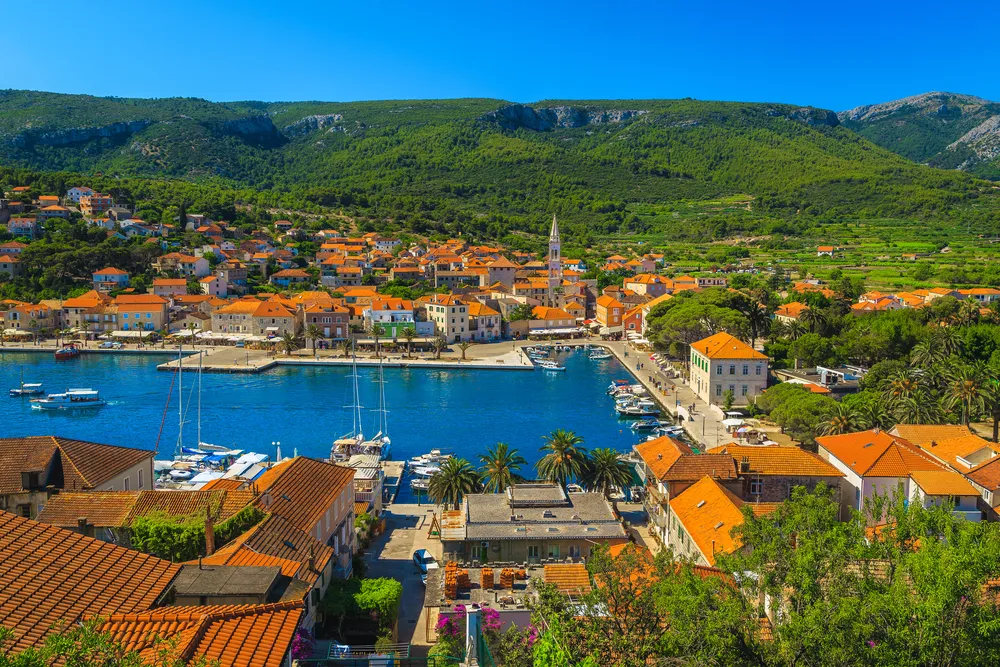
Jelsa sits on Hvar’s north shore, about 10 km east of Stari Grad and 20 km from Hvar Town by road. The island’s two ports for scheduled mainland traffic are Stari Grad (car ferries) and Hvar Town (catamarans), both covered in our Split to Hvar ferry guide — Jelsa’s own small harbour isn’t a year-round stop on the frequent tourist-hours lines, so reaching it means landing elsewhere first. Four realistic ways to do it follow, including one operator that technically reaches Jelsa directly — with a schedule that needs a caveat first.
Option 1: Car ferry to Stari Grad, then a short hop to Jelsa
The standard route for anyone bringing a car, and usually the most practical for families with luggage. Jadrolinija’s line 635 car ferry runs Split–Stari Grad in about 1 h 50 m–2 h, several times daily year-round: high season (29 May–27 Sep 2026) around €8.40 per adult plus €47.60 for a car (roughly €56 with a vehicle); off-season around €5.90 adult / €35.60 car (about €41.50). Your ticket is your car’s reservation, so book ahead in summer. Stari Grad is genuinely Jelsa’s nearest port — about 10 km, a 10–15 minute drive or a local bus timed to meet ferries. Our Split to Stari Grad guide covers this crossing in more depth.
Option 2: Catamaran to Hvar Town, then the longer bus
If you’re travelling on foot, the fastest scheduled option is usually the passenger catamaran into Hvar Town — Jadrolinija (line 641, roughly 1 May–11 Oct) and Krilo/Kapetan Luka (roughly 20 Mar–15 Nov). The crossing takes 50–60 minutes, with up to 18–20 sailings daily in peak summer and only 2–4 off-season. Fares run roughly €10–30 one way (Krilo cheaper off-peak, Jadrolinija around €25 peak), children about half; last boat back to Split is typically around 20:00. The catch: Hvar Town is on the opposite side of the island. A Čazmatrans bus covers Hvar Town to Jelsa in about 35–40 minutes, with only a handful of daily departures — worth checking with a tight connection or small children.
Option 3: The catamaran that (sometimes) reaches Jelsa directly — line 9603
Jadrolinija runs a fast-ship catamaran, line 9603, on Split–Bol (Brač)–Jelsa (Hvar), with some sailings instead routed via Stari Grad. On days it runs to Jelsa, it lands you right at the harbour — no bus, foot passengers only. Fares run around €10 adult / €4.40 child peak season, about €6.40 adult off-season. The catch is timing, not existence: built for islanders commuting into Split, not tourists heading out, it typically has one useful departure a day each way — Split around 16:30 into Jelsa roughly 18:05; Jelsa around 06:00 into Split around 07:35. Good for an evening arrival if your timing matches, but not same-day-return like the Hvar Town catamaran. Always check the current timetable, as the pattern shifts seasonally.
Skipper’s tip: if line 9603 looks like the “direct” answer, check the departure board first — most days it’s one sailing to Jelsa in the whole day, timed for commuters, not for someone landing at midday wanting lunch in town. Good if it matches your arrival; a poor one to build a whole itinerary around.
Option 4: Private boat, straight to Jelsa harbour
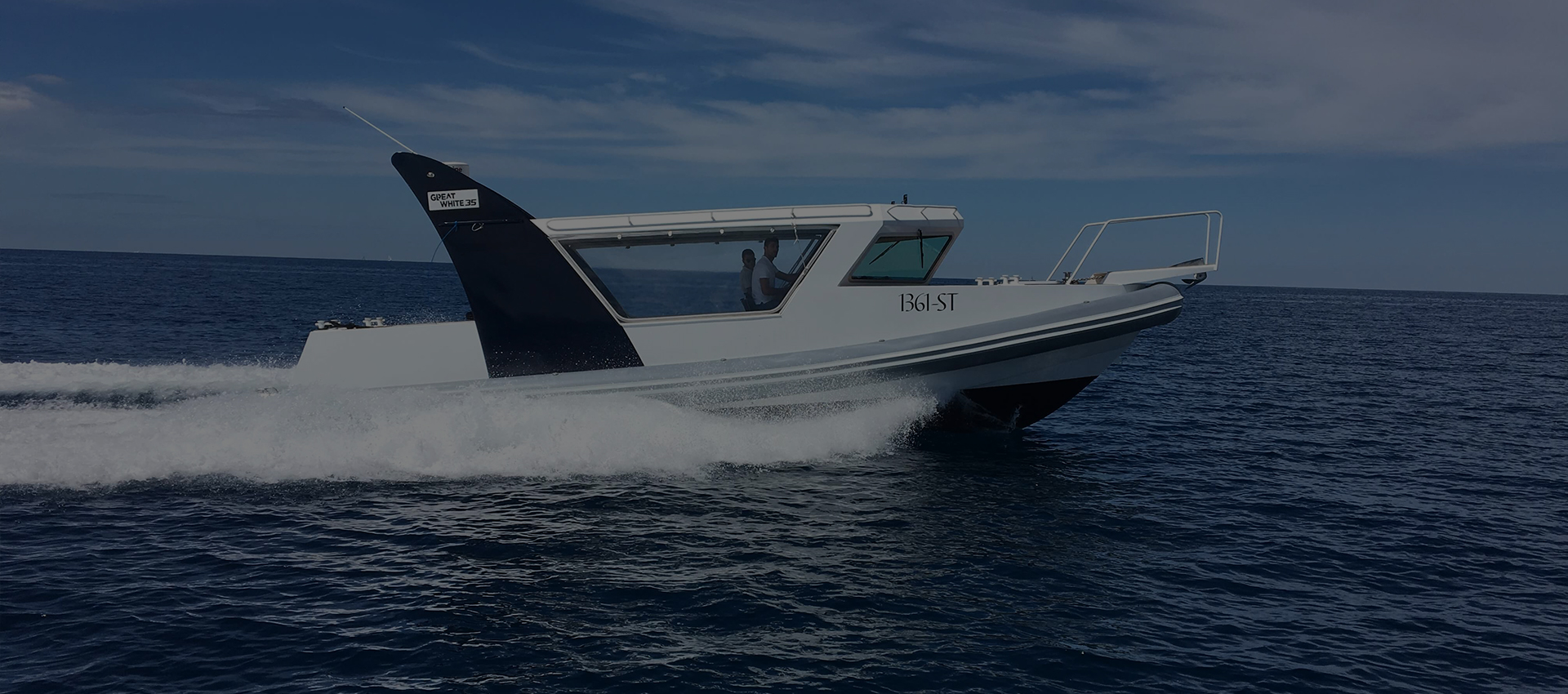
The way we run it: a private water taxi from Split or Split Airport direct to Jelsa’s harbour, door-to-dock, on your schedule — about 55 minutes by sea, on a closed-cabin, radar-equipped boat built to keep running in sea states that ground the public catamarans. Useful on a windy bura or jugo day when scheduled services are cancelled and you still need a flight connection sorted, landing at Jelsa’s own dock with no bus leg after. See our Split to Hvar taxi boat page for the boats we run and how transfers here work. It costs more than a ferry ticket, but split across a group it can rival several ferry-plus-taxi fares anyway — our 2026 water taxi price guide shows the per-boat bands for every route. Tell us your dates and group size through our contact page and we’ll quote the crossing.
Split to Jelsa: comparing your options
| Option | Time to Jelsa | Cost (one way) | Best for |
|---|---|---|---|
| Car ferry to Stari Grad + drive/bus | ~2 h 10 m–2 h 20 m total | ~€41.50–€56 with car; ~€6–8 foot + bus | Bringing a car; families with luggage |
| Catamaran to Hvar Town + bus | ~1 h 30 m–1 h 40 m total | ~€10–30 + bus fare | Foot passengers, most frequent sailings |
| Jadrolinija line 9603 (direct, when serving Jelsa) | ~1 h 35 m sailing | ~€10 peak / €6.40 off-season | Travellers whose dates match its one departure |
| Private water taxi, direct | ~55 min | €370–900 whole boat | Groups, tight schedules, bad weather |
What Jelsa is like once you’re there
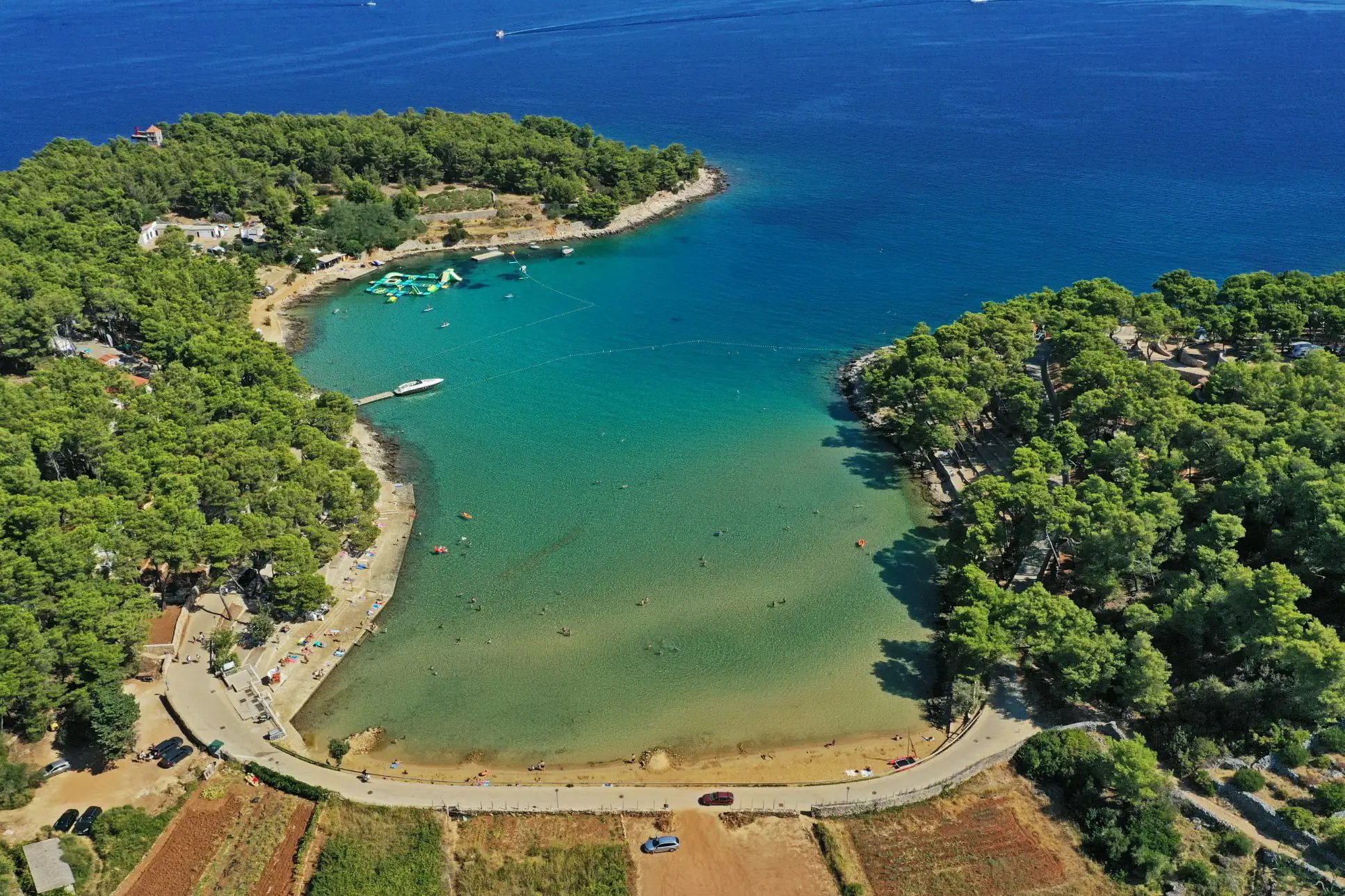
Jelsa is a working town first and a resort second, which is its appeal for families. There’s a real harbour with fishing boats alongside tourist ones, a supermarket-sized shop outside town, bakeries, and a bus stop with onward services rather than a purpose-built tourist strip. Mina Beach, a kilometre from the centre, has pine shade and a small waterpark; Grebišće has soft sand and shallow water a long way out, which parents of toddlers appreciate. It’s quieter than Hvar Town’s harbourside scene, and most of the centre is walkable. Our where to stay on Hvar guide compares Jelsa against Hvar Town and Stari Grad; the Vrboska covers the small harbour town nearby if you want even quieter.
Skipper’s tip: if your accommodation is actually closer to Stari Grad or Vrboska than central Jelsa, it’s often quicker to route via the Stari Grad car ferry even without a car — the connecting leg is shorter, and Stari Grad’s timetable has far more daily departures than line 9603’s one useful sailing.
常见问题
Is there a direct ferry from Split to Jelsa?
Jadrolinija’s line 9603 catamaran calls at Jelsa directly on most sailings, but typically runs only one useful departure daily each way (roughly Split 16:30 to Jelsa 18:05, Jelsa 06:00 to Split 07:35), so it’s inflexible unless your timing matches. Most visitors instead connect via the Stari Grad car ferry or the Hvar Town catamaran.
What is the closest ferry port to Jelsa?
Stari Grad, about 10 km away — a 10–15 minute drive or bus ride. It’s served by the Split–Stari Grad car ferry (line 635), with far more daily sailings than the direct Jelsa catamaran.
How long does it take to get from Split to Jelsa?
Around 1 h 30 m–1 h 40 m via the Hvar Town catamaran plus bus, or 2 h 10 m–2 h 20 m via the Stari Grad car ferry plus onward transfer. A private water taxi direct to Jelsa harbour takes about 55 minutes door-to-dock.
Can I take a car to Jelsa from Split?
Yes, via the Split–Stari Grad car ferry (line 635), then about 10 km by road. Book your car’s place in advance during summer, since your ticket is tied to a specific sailing.
Is Jelsa or Hvar Town better for a family holiday?
Jelsa is generally calmer and more practical — sandy, shallow-water beaches, everyday shops, and a quieter pace than Hvar Town’s nightlife-driven harbour. Hvar Town has more restaurants and boat trips. Our Hvar accommodation guide covers the trade-offs.
How do I get from Hvar Town to Jelsa if I land there instead?
A Čazmatrans bus covers it in around 35–40 minutes, with a handful of daily departures rather than a frequent shuttle, so check the timetable ahead. A taxi is quicker but pricier, worth it with heavy luggage or a late arrival.
Does bad weather affect ferries to Jelsa?
Yes — fast catamarans, including line 9603, are usually the first cancelled in a strong bura or jugo wind. Car ferries to Stari Grad are more resilient, and closed-cabin private boats can often still run when public ferries are grounded. Build in a buffer day if flexible.